
Leave A Message
If you are interested in our products and want to know more details,please leave a message here,we will reply you as soon as we can.

In the world of specialty chemicals, Polyethylene Glycol (PEG) stands out as one of the most versatile polymers available. At Bewellchem, we provide a wide range of high purity PEG grades to meet the rigorous demands of global manufacturing. However, for many formulators, the primary question remains: how does the Polyethylene glycol molecular weight affect the physical properties and application of the product?
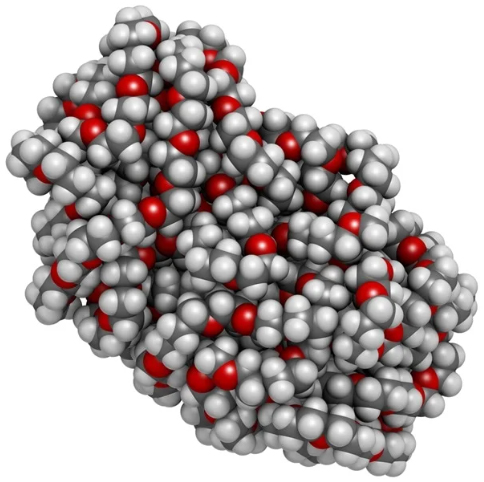
To illustrate this, we will compare two extremes of the spectrum: PEG-200 vs PEG-8000.
The most immediate difference between these two grades is their physical form at room temperature. The molecular weight of a PEG polymer is indicated by the number following its name, representing the average molar mass in g/mol.
● PEG-200: With a low molecular weight, this grade exists as a clear, colorless, and viscous liquid. It has a low freezing point and remains fluid even in cooler environments.
● PEG-8000: At the higher end of the chain length, this grade is a waxy, white liquid vs solid PEG comparison winner—it is a firm solid, often supplied in flake or powder form.
The transition from liquid to solid typically occurs around PEG-600 to PEG-1000. As the polymer chain grows, the intermolecular forces increase, leading to a higher melting point and greater structural integrity.
The vast difference in Polyethylene glycol molecular weight dictates where these chemicals are utilized.
Because of its liquid nature and excellent solvency, PEG-200 is a staple among cosmetic humectants. It helps retain moisture in skin creams and serves as a solvent for pigments and fragrances. In the industrial sector, its low volatility and hygroscopic nature make it an ideal lubricant and heat transfer fluid.
In contrast, PEG-8000 is highly valued as a binder and lubricant in tablet manufacturing. As one of the premier pharma excipients, it provides the necessary hardness to pills while ensuring they remain water-soluble for easy digestion. Its solid structure also makes it an excellent base for suppositories and topical ointments that require a thicker consistency.
|
Feature |
PEG-8000 |
|
|
Physical Form |
Viscous Liquid |
Waxy Solid/Flakes |
|
Solubility |
Highly Water Soluble |
Water Soluble (slower rate) |
|
Primary Use |
Solvent/Humectant |
Binder/Base |
|
Viscosity |
Low |
High (when melted) |
Whether you are formulating life-saving medications or high-end skincare, the quality of your raw materials is non-negotiable. Using high purity PEG ensures that there are no residual monomers or impurities that could cause skin irritation or destabilize a pharmaceutical formula.
At Bewellchem, we specialize in sourcing and distributing consistent, top-tier chemical solutions. Understanding the nuances of PEG-200 vs PEG-8000 allows our clients to optimize their products for performance, stability, and cost-effectiveness.
By selecting the correct pharma excipients or cosmetic humectants, you ensure that your end-product meets the highest industry standards. If you are looking for reliable chemical supply and technical expertise, Bewellchem is your trusted partner in the global trade of high-performance polyethylene glycols.


leave a message
Scan to wechat :

Scan to Whatsapp :


 IPv6 network supported